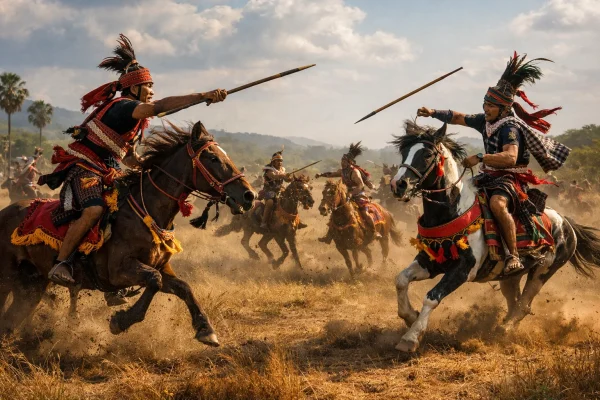

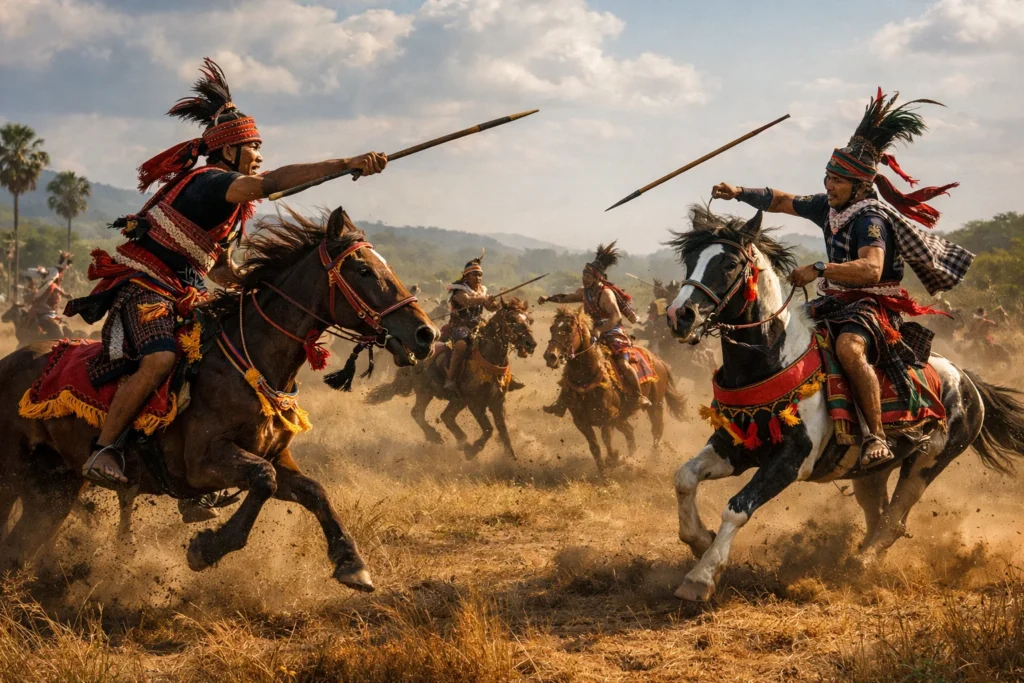
Pasola is a sacred horseback spear-fighting ritual held every year on the island of Sumba, Indonesia, to give thanks for the harvest and to maintain spiritual balance according to the Marapu belief system. It is one of the world’s most dramatic living traditions, where two groups of horsemen ride at full speed and throw wooden spears at one another in a controlled ceremonial battle.
Pasola stands apart because it functions as an authentic ritual rather than a performance for tourists. For centuries, Sumba’s people have honored bravery and ancestral respect far above the desire to win. This raw authenticity draws international travelers, photographers, and cultural explorers to Sumba to witness Pasola in its purest form.
Pasola in brief:
- A traditional horseback spear-fighting ritual
- Rooted in the Marapu belief system
- Held between February and March in western Sumba
- Symbolizes gratitude, fertility, and harmony with nature
What Is Pasola and Why Is It So Important?
Pasola comes from the word sola, meaning wooden spear. The ritual involves two teams of male riders from different villages who charge toward each other on horseback, throwing blunt wooden spears. Although it may look violent, Pasola is governed by strict traditional rules that emphasize sportsmanship and spiritual purpose rather than personal rivalry.
Blood that is spilled during Pasola is believed to nourish the land and bring a fertile harvest. For the Sumbanese people, this ritual ensures harmony between humans, nature, and ancestral spirits. Without Pasola, the spiritual balance of the year would be incomplete.
Unlike modern festivals, Pasola is not scheduled by a calendar. It is determined by nature—specifically the appearance of nyale (sea worms) along the coast. When the nyale appear, elders declare that the time for Pasola has arrived.
The History and Spiritual Roots of Pasola
Pasola is deeply connected to the Marapu religion, the indigenous belief system of Sumba. Marapu teaches that ancestors continue to influence the living world, and that rituals must be performed to maintain balance.
Historically, Pasola was also a way for warriors to demonstrate courage and resolve conflicts without creating long-term hostility. Today, it remains a powerful expression of identity, faith, and unity for the people of Sumba.
The ritual is not simply about physical strength. It requires:
- Spiritual preparation
- Blessings from village elders
- Respect for sacred customs
This combination of faith, culture, and action is what makes Pasola unlike any other festival in the world.
Why Pasola Attracts Travelers from Around the World
In a time when many cultural events have been commercialized, Pasola stands out as something real. Travelers are no longer just looking for beautiful beaches; they want authentic, immersive experiences that connect them with local traditions.
Pasola offers:
- A rare glimpse into a living ancient culture
- Spectacular visuals for photography and film
- Deep spiritual meaning behind every movement
Many international media outlets and travel experts have described Pasola as one of the most extraordinary cultural festivals in Asia. It is often compared to a sacred battlefield—intense, emotional, and unforgettable.
When and Where Pasola Takes Place
Pasola is usually held between February and March in several districts of western Sumba, including:
- Kodi
- Lamboya
- Wanukaka
- Gaura
Each region hosts its own Pasola, which means travelers may be able to witness more than one event during a single visit.
Because dates depend on the nyale, planning a trip requires local expertise. Weather conditions, village schedules, and ritual preparations all play a role.
How to Watch Pasola Safely and Respectfully
Pasola is not a tourist show—it is a sacred event. Visitors must observe it with respect and awareness. Safety is also important, as spears and horses move at high speed.
Travelers are advised to:
- Stand only in designated viewing areas
- Follow guidance from local organizers
- Avoid interfering with the ritual
- Dress respectfully
This is where working with a local expert matters. Phinisea, as a trusted local travel expert for island and cultural journeys in Indonesia, understands how to provide safe access while respecting local customs and traditions.
Sumba and the Rise of Cultural Tourism
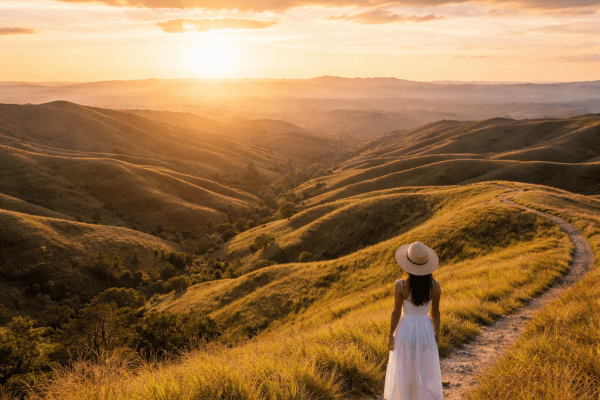
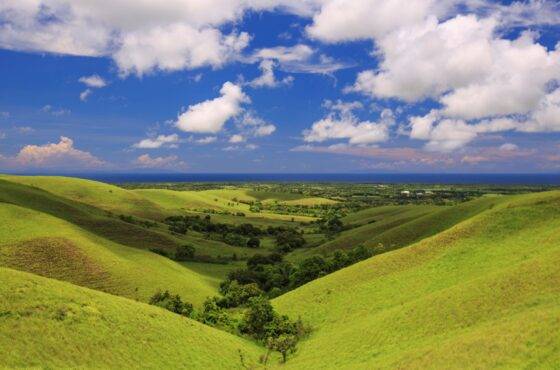
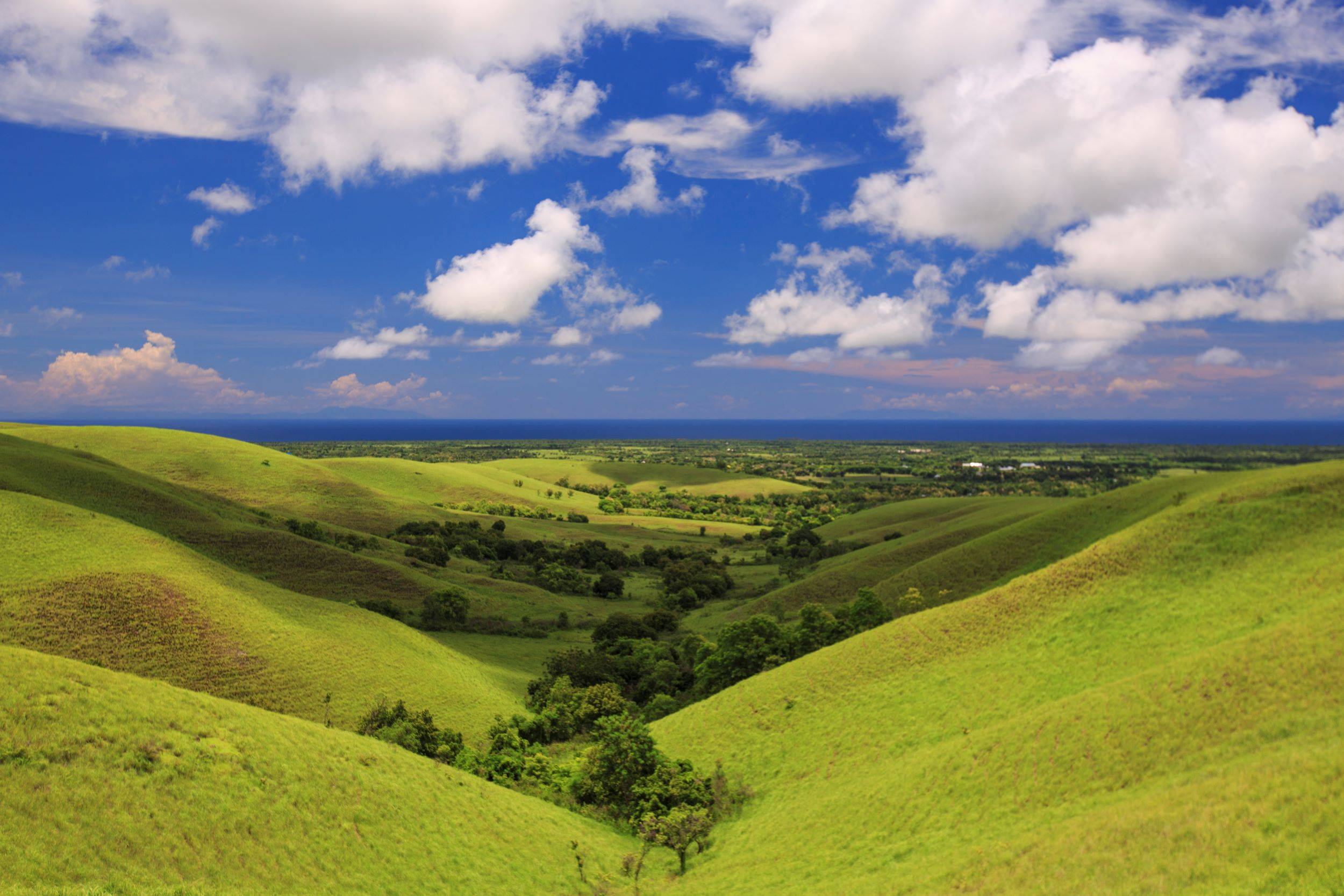
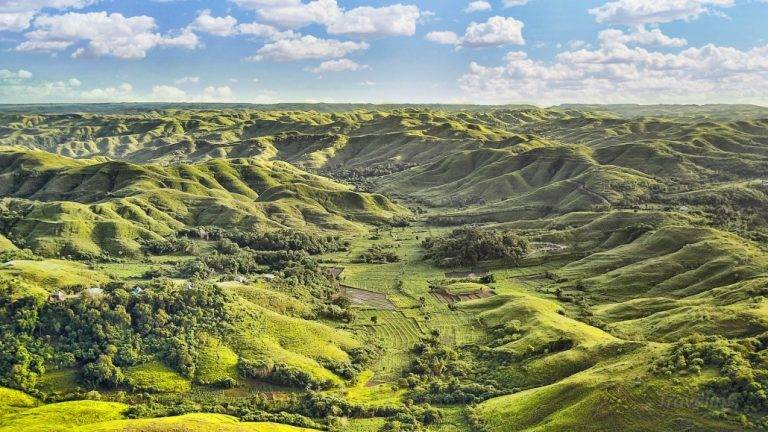
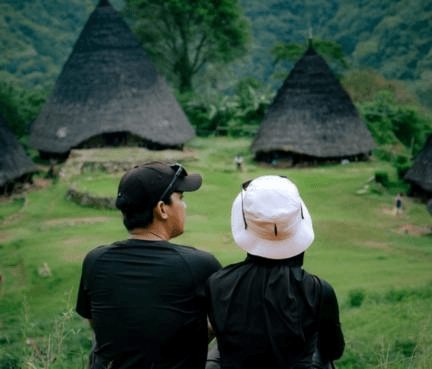
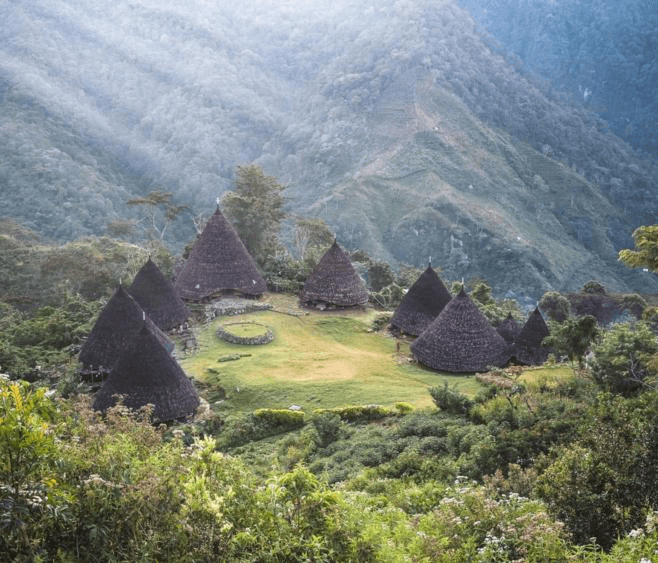
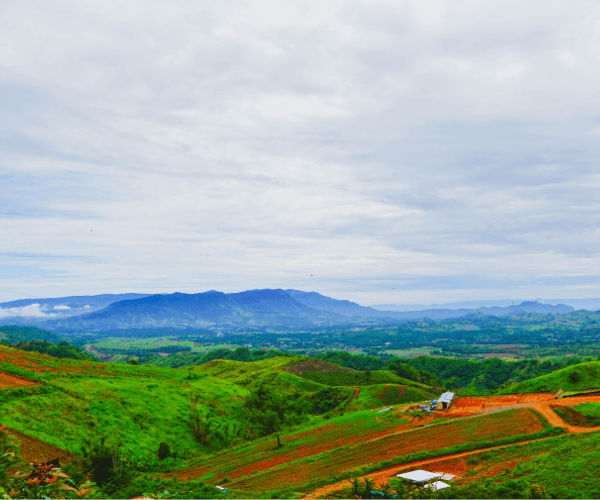
Sumba is quickly becoming one of Indonesia’s most sought-after destinations for cultural and experiential travel. Unlike Bali, it remains relatively untouched by mass tourism. Its wide savannahs, traditional villages, and strong spiritual identity make it ideal for travelers seeking something deeper.
Pasola has played a major role in putting Sumba on the global travel map. It represents:
- Authentic heritage
- Community-based traditions
- Sustainable cultural tourism
As global travelers look for meaningful experiences, Sumba offers something truly rare.
See : Private Trip Sumba Tour Packages
– Private Trip Sumba 5D4N
– Private Trip Sumba 4D3N
Combining Pasola with Island and Cultural Journeys
A visit to Pasola can be combined with:
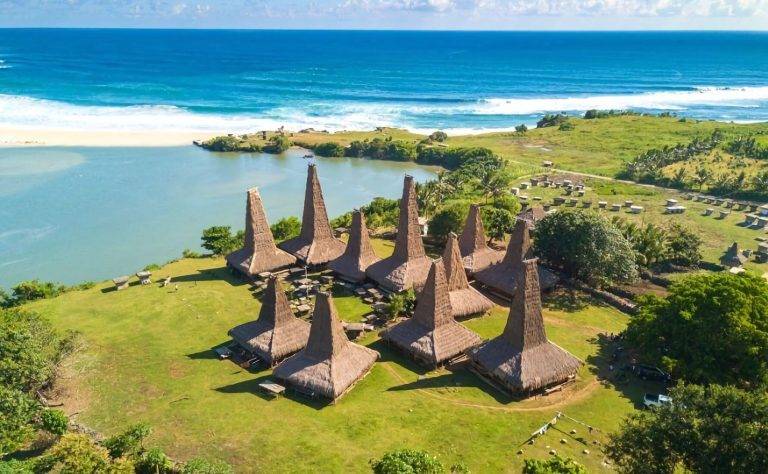
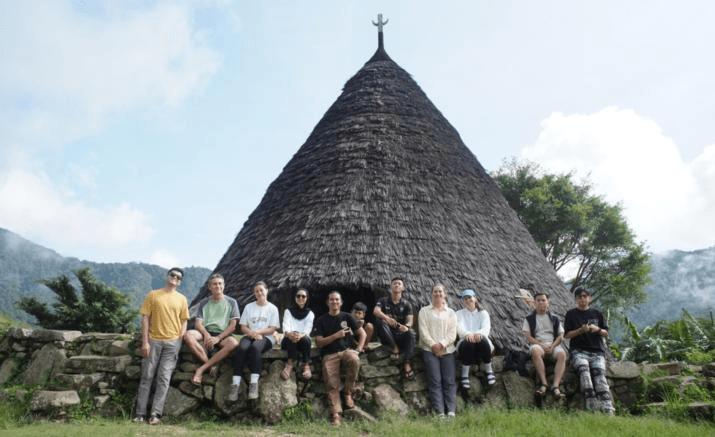
- Traditional Sumbanese villages
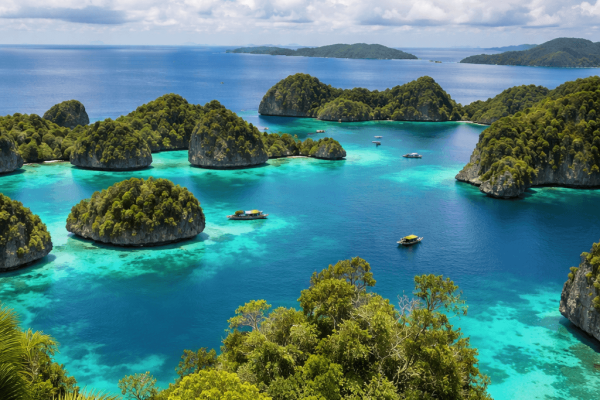
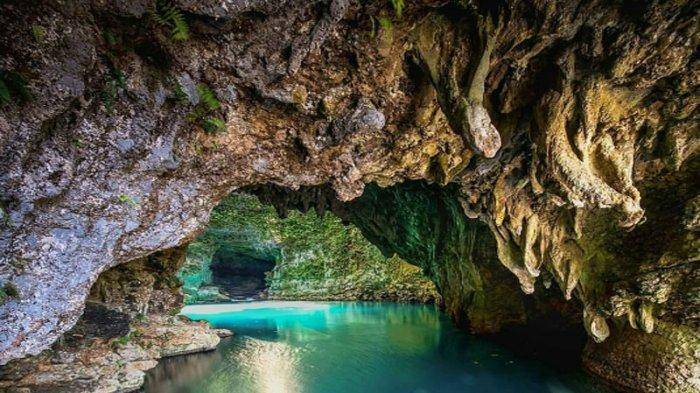
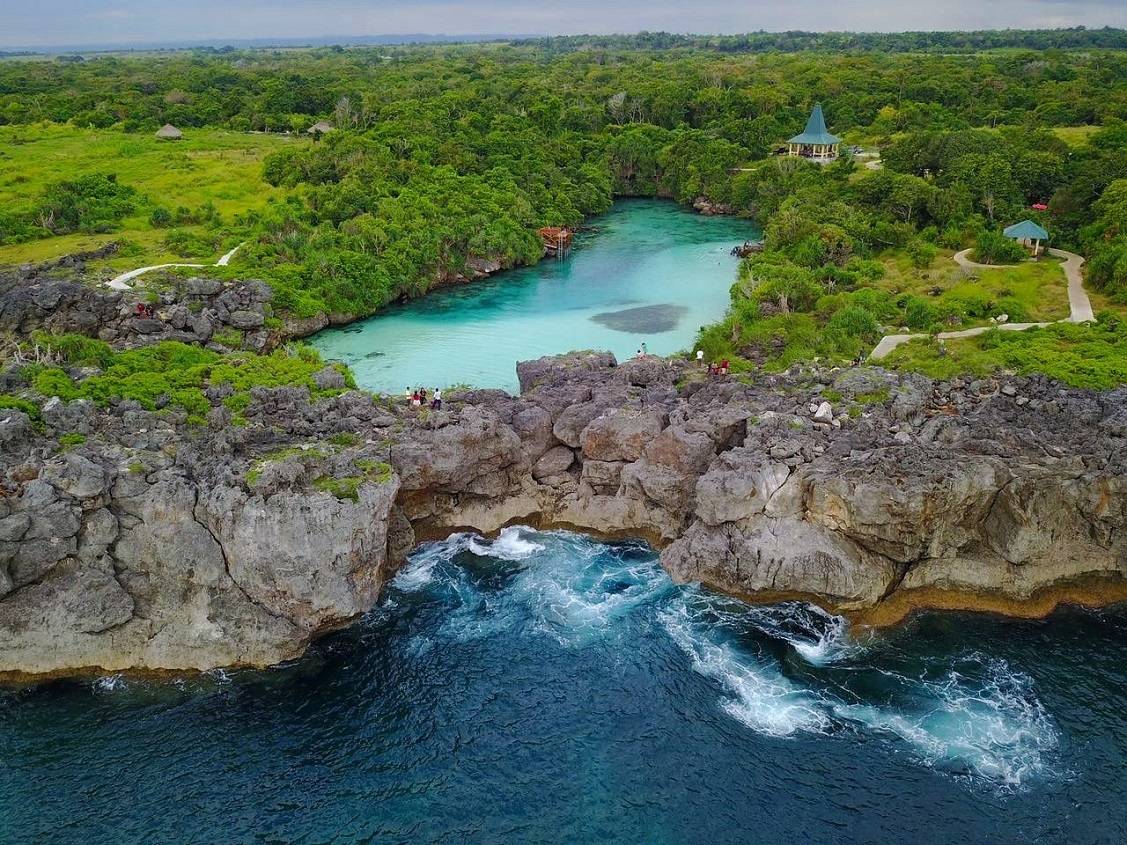
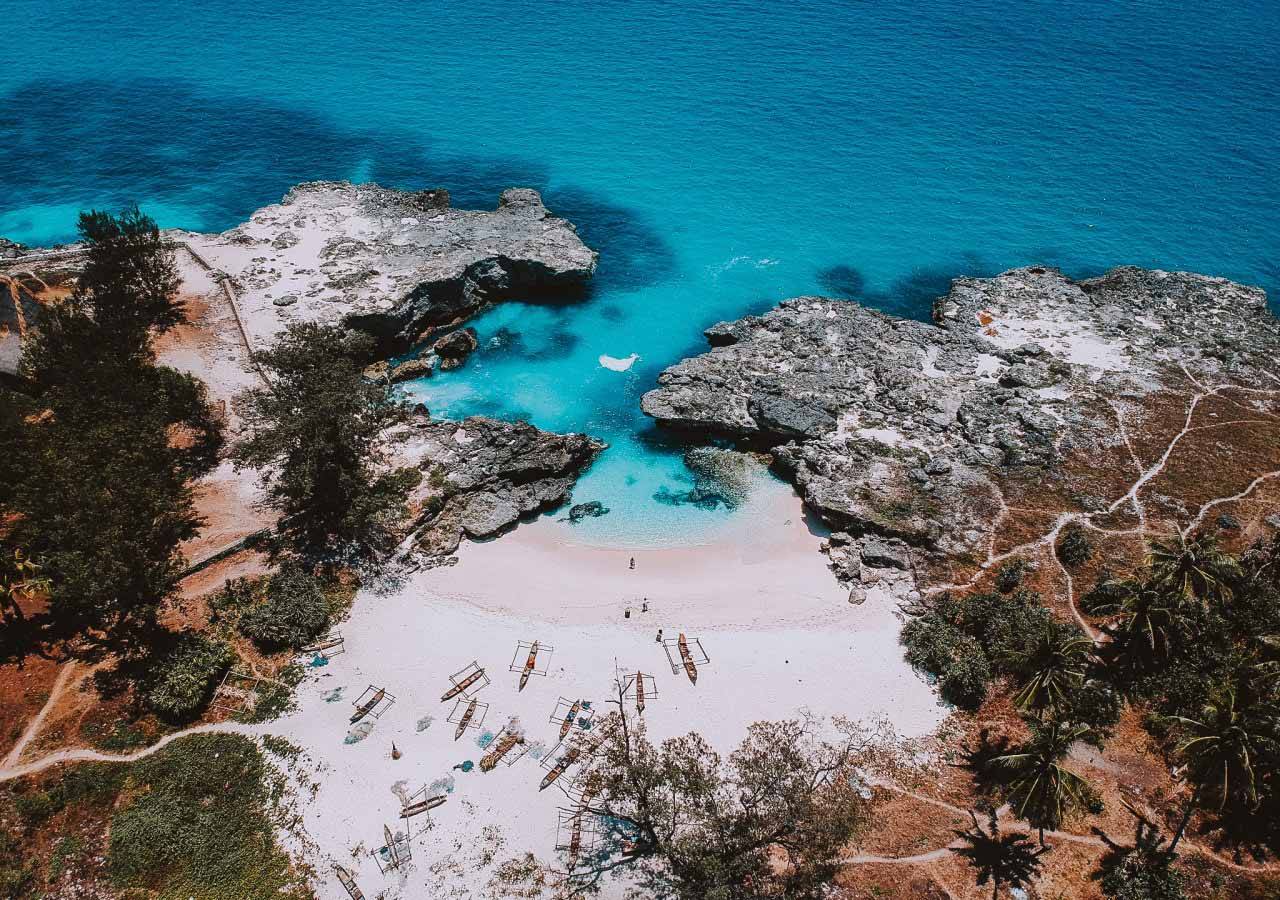
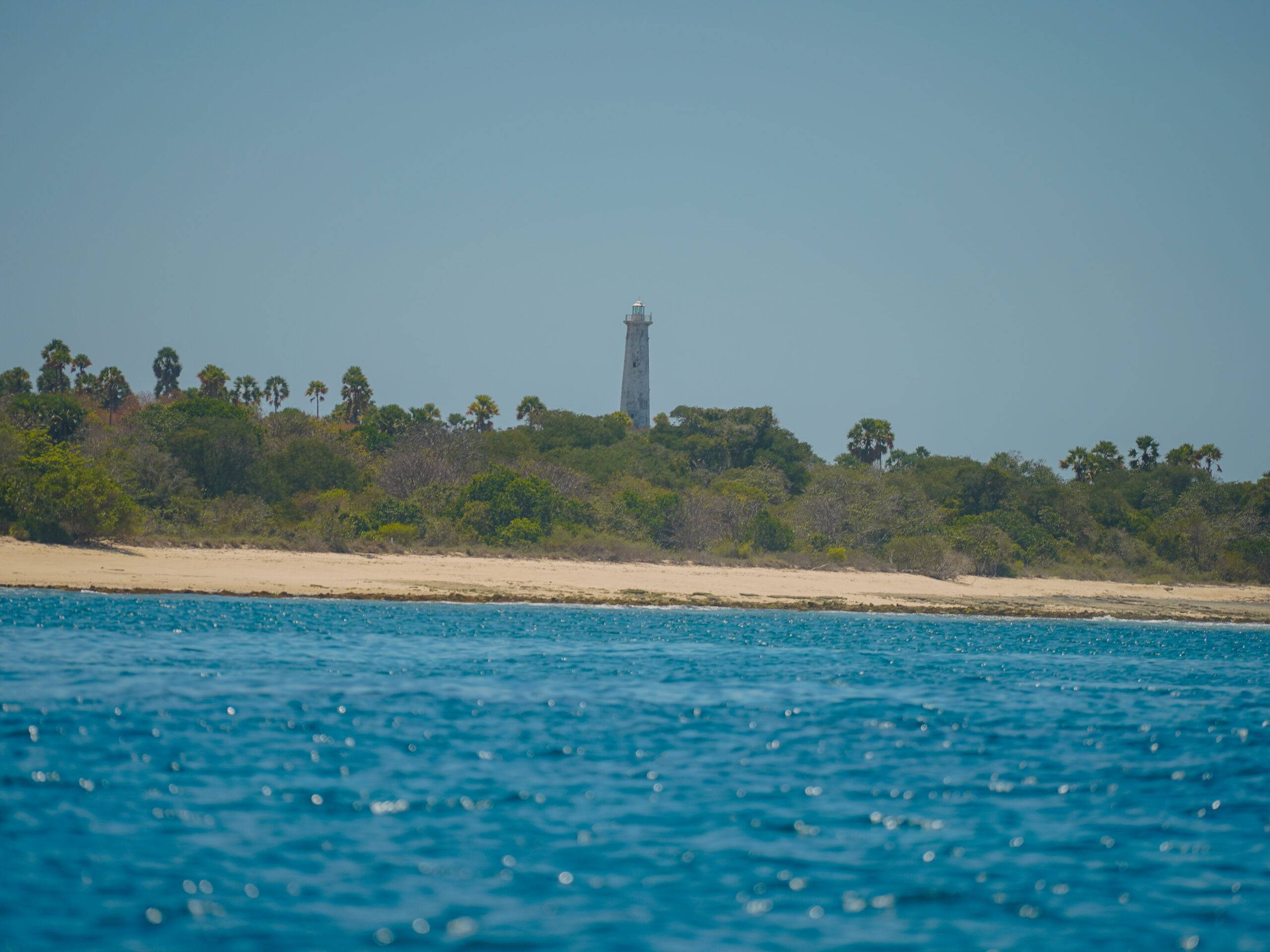
- Coastal landscapes and hidden beaches
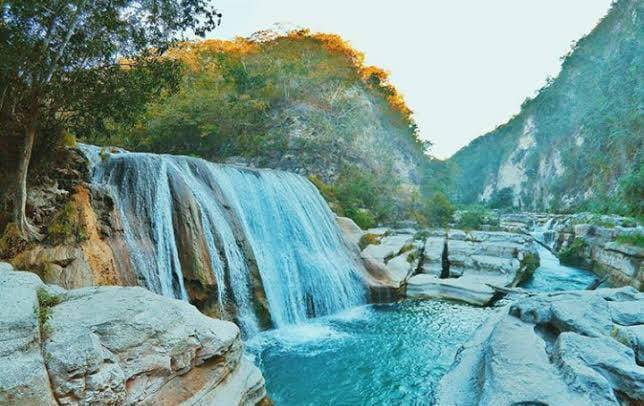
- Waterfalls and rolling hills
- Cultural storytelling and local cuisine
Many travelers integrate Pasola into a broader journey through Indonesia’s islands and heritage routes. This creates a richer, more balanced experience that blends nature, culture, and adventure.
Why Pasola Is a World-Class Cultural Experience
Pasola is not entertainment. It is history, faith, and identity expressed through movement and ritual. For travelers who want to understand Indonesia beyond its beaches, Pasola is one of the most powerful cultural gateways.
It is rare, intense, and deeply human—everything that modern travel is searching for.
For those planning a meaningful journey to Sumba and beyond, working with an experienced local partner makes all the difference. Phinisea helps travelers navigate Indonesia’s island and cultural routes with respect, insight, and authenticity.
If you are considering a cultural journey to Sumba, Pasola is a moment you will never forget. Explore it with care, curiosity, and the guidance of a trusted local expert.